

March 2, 2026
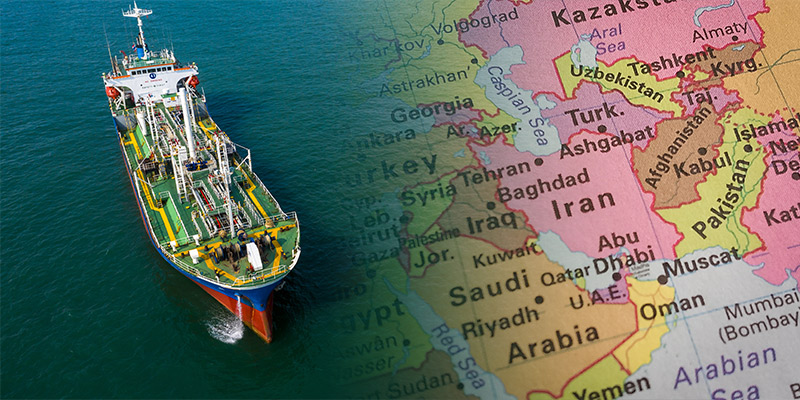
Global tensions in regions like Iran and the Middle East often raise understandable questions about heating oil and propane prices. In this article, we break down what history shows about how energy markets respond, outline possible scenarios, and explain what homeowners can realistically expect.
While no one can predict commodity prices, staying informed and working with a reliable local supplier can help you plan ahead with greater confidence.
Energy markets respond quickly to global uncertainty. When headlines focus on Iran or broader tensions in the Middle East, many homeowners understandably wonder, “Will this impact my heating oil or propane price?”
Below is a clear, fact based look at what we know, what history tells us, and what remains uncertain.
Why the Middle East Matters to Heating Oil and Propane
The Strait of Hormuz
- The Strait of Hormuz is one of the world’s most critical oil transit routes. Roughly one fifth of global petroleum liquids move through this narrow waterway each day.
- Iran borders this strait, which means regional instability can raise concerns about shipping disruptions.
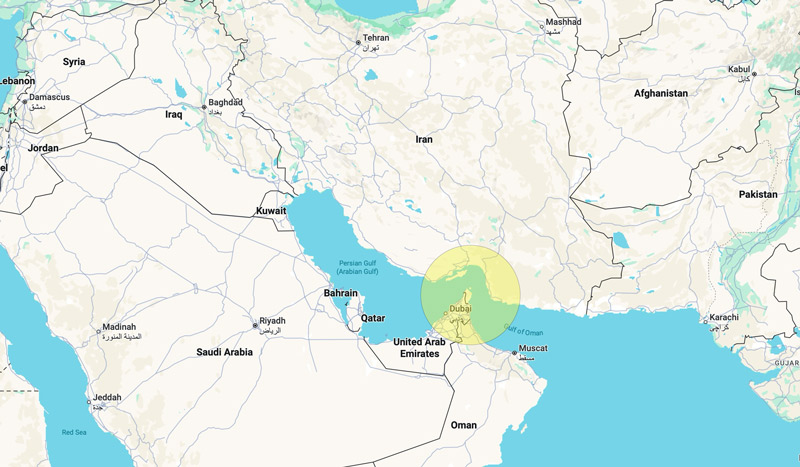
Based on historical energy market patterns, even the threat of disruption, not just actual disruption, can cause oil prices to rise due to trader expectations and precautionary buying.
How Global Oil Prices Affect Local Heating Costs
Heating Oil
- Heating oil is refined from crude oil. When crude oil prices increase globally, heating oil prices typically follow.
- Refining capacity, seasonal demand, and regional supply constraints can amplify or soften the effect.
Propane
- Propane is produced as a byproduct of natural gas processing and crude oil refining.
- While propane is less directly tied to Middle East crude production, global energy market sentiment can still influence pricing, especially during high demand seasons.
What History Shows Us
Looking at past geopolitical conflicts helps provide context, though it is important to remember that it does not guarantee future outcomes.
The 1973 Oil Embargo
- During the Arab oil embargo in 1973, global oil prices more than doubled.
- This was a coordinated supply restriction, which is different from today’s more diversified global energy supply system.
The 1990 Gulf War
- Oil prices spiked sharply when Iraq invaded Kuwait, due to immediate supply concerns.
- Prices later stabilized once military action secured oil infrastructure and markets adjusted.
Sanctions on Iran (2010s)
- International sanctions reduced Iranian oil exports significantly during that period.
- However, global production from the United States and other producers helped offset some supply losses, moderating price spikes compared to earlier decades.
2019 Saudi Oil Facility Attack
- After drone attacks on Saudi oil facilities in 2019, oil prices briefly jumped nearly 15 percent in a single day.
- Prices retreated relatively quickly once production was restored.
Historically, energy prices often spike on fear and uncertainty, then stabilize if supply disruptions are limited or short lived.
Potential Scenarios Moving Forward
Best Case Scenario
- No major supply disruptions occur.
- Oil shipments continue flowing through the Strait of Hormuz without interruption.
In this case, prices may experience short term volatility but remain within typical seasonal ranges.
Moderate Scenario
- Increased sanctions, limited shipping delays, or temporary regional supply constraints occur.
Prices could rise modestly, especially if combined with high winter demand or refinery bottlenecks.
Worst Case Scenario
- Significant disruption to oil transit routes or direct attacks on energy infrastructure.
- Sustained interruption of supply through the Strait of Hormuz.
In this scenario, crude oil prices could spike rapidly, which would likely push heating oil prices higher. Propane could also be affected indirectly through broader energy market pressures.
It is important to note that this scenario is speculative and not directly verifiable at this time.
Other Factors That Influence Prices
It is important to remember that geopolitical events are only one piece of the puzzle that affect heating oil and propane prices. Other factors include:
- U.S. domestic production levels
- Refinery capacity and maintenance schedules
- Seasonal demand, especially during extreme cold
- Inventory levels reported weekly by the U.S. Energy Information Administration
Based on our observations, extreme cold often has a more immediate impact on local heating oil and propane pricing than geopolitical news alone.
What We Can and Cannot Predict
- It is factual that geopolitical tension often leads to short term price volatility in oil markets.
- It is not directly verifiable whether current tensions will result in long term price increases this heating season.
Commodity markets are influenced by thousands of moving variables. No one can reliably predict exact price movements weeks or months in advance.
Practical Steps Homeowners Can Take
While we cannot control global events or predict market prices, we can control preparation.

Monitor Your Tank Levels
- Heating oil customers should continue ordering when their tank reaches around one quarter full.
- Propane customers should avoid letting tanks drop below 30 percent to prevent service interruptions and safety checks.

Avoid Waiting Until the Last Minute
- Based on general winter delivery patterns, waiting during periods of market uncertainty can limit flexibility in scheduling and pricing.

Consider Short Term Timing
If you anticipate needing heating oil or propane within the next two to three weeks, placing a delivery sooner rather than later may reduce exposure to sudden price swings.
This is not a prediction of rising prices. It is simply a risk management approach.

Explore Monitoring and Budget Options
- For customers who prefer more predictability, automatic delivery and budget programs can help smooth seasonal usage patterns.
Our Perspective
At Gerner Energy, our role is not to speculate. It is to stay informed, monitor the markets daily, and communicate clearly with our customers. We cannot predict the price of commodities such as heating oil and propane.
What we can say is:
- Historically, geopolitical instability in major oil producing regions causes short term price volatility.
- That volatility does not always translate into sustained seasonal price increases.
If you think you will need fuel soon, being proactive may offer peace of mind.
As always, if you have questions about your account, tank level, or delivery timing, our team is here to help you make the most informed decision possible.
Stay informed. Stay prepared. Stay warm.