PROPANE • TANK LEASING
Leasing a propane tank means no big equipment to buy and less to worry about — we own, install, and maintain it. Not sure whether leasing or buying is right for you? We’ll walk you through the honest pros and cons of both and help you decide.
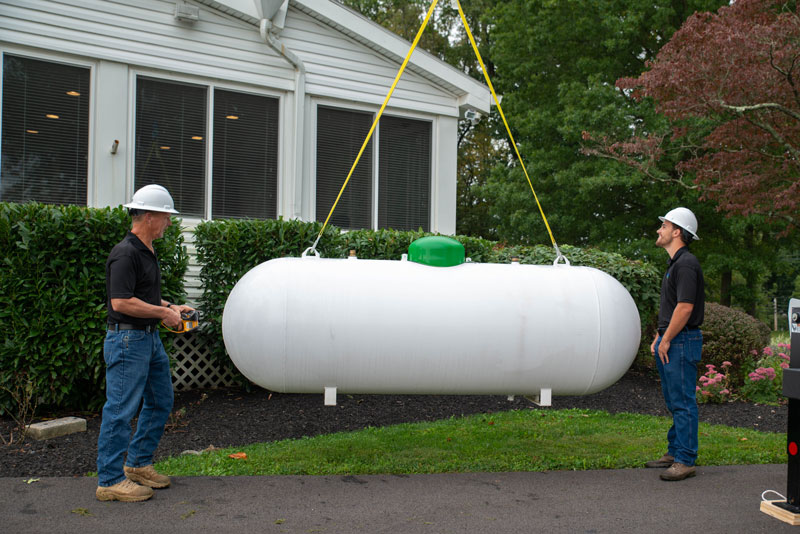
Most homeowners don’t really want to own a propane tank — they want what propane provides: heat, hot water, cooking, a cozy fireplace. With a leased tank you skip the large equipment purchase, and we stay responsible for the tank. You use the propane; we take care of the equipment.
A lower cost to entry.
No need to worry about a thing.
A straightforward set or changeout. Bigger jobs (like trenching or running long lines) may incur a cost.
Never run out, check your tank levels from your smartphone.
Ready for your installation.
For your tank, propane, heating oil & HVAC.
Tell us how you'll use propane and how long you plan to stay. We'll help you weigh leasing vs. buying — no pressure.
Basic installs have no fees, and we can often set your tank as soon as next week when no permit is needed.
Monitored delivery is included with your lease as is maintenance for your tank.* Enjoy the propane care-free.
There’s no single answer that’s best for everyone. It really comes down to two things: how much propane you’ll use and how long you plan to stay in your home. Here’s an honest look at both — then let’s talk it through
Lower upfront cost · we take care of the tank
Features
Drawbacks
Ownership · supplier flexibility
Features
Drawbacks
*Terms and conditions apply, including a minimum annual usage and tank monitoring. For example, if a tank has very low usage or doesn’t meet its minimum usage requirement fees may apply. We’ll walk you through any potential costs up front.
The right size depends on how much propane you use — too small means frequent deliveries, too big isn’t cost-effective. We lease above-ground tanks and will help you match the size to your usage. Prefer an underground tank? Those are available to purchase – see Tank Sales & Installation.
Supplemental use & smaller homes
A few appliances or light heat
Whole-home heating and heavy usage
Larger homes & high demand use
If you’re thinking about propane for your home or a new tank for an addition, pool heater, or generator, we’ll walk you through your options.
Just give us a call and we’ll talk you through your options.
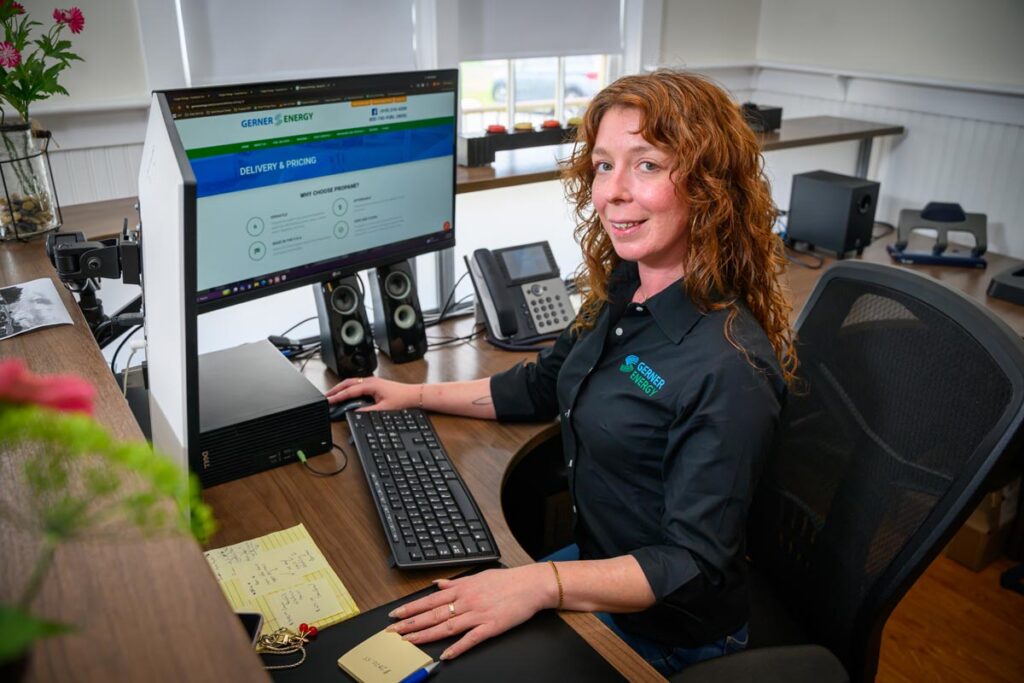
Here are answers to some of the more frequent questions we hear about Propane Tank Leasing. Don’t see your questions below? Just give our office a call at 410-472-2022 and we’ll be happy to answer them..
We do. Gerner installs, owns, maintains, insures, and services the tank — including tank parts, repairs, and safety checks. You just enjoy the propane.
No – and that’s true with any leased tanks. By law and safety rules, only the company that owns a tank may fill it. That’s the trade: you skip the cost of buying and maintaining a tank, and we earn your fuel business with great service and competitive pricing.
Often as soon as next week, as long as your install doesn’t require a permit. We keep the most common sizes in stock so you’re not waiting on inventory.
There’s no minimum to lease a tank. However, to avoid a lease fee, there’s a minimum amount of propane to buy each year, based on the tank size you lease — we’ll walk you through exactly what that looks like.
Running a business? We lease for commercial operations too: building heat, standby generators, forklift fleets, agriculture, restaurants, and more. We’ll size the tank and structure the agreement around how your operation actually uses propane. Just ask our commercial team.
A fee may apply for ending early; and if you move within our service area, we can move the tank for a charge; we’ll walk you through the options during your free consultation.
Our lease program is for above-ground tanks. If you’d prefer an underground tank, those are available to purchase – see our Tank Sales & Installation page.
Get started today — (410) 472-2022
* Terms and conditions apply, including minimum annual usage and monitoring. We’ll walk you through every cost up front.

